Apartment Burst Pipe Repair
Apartment Pipe Repair
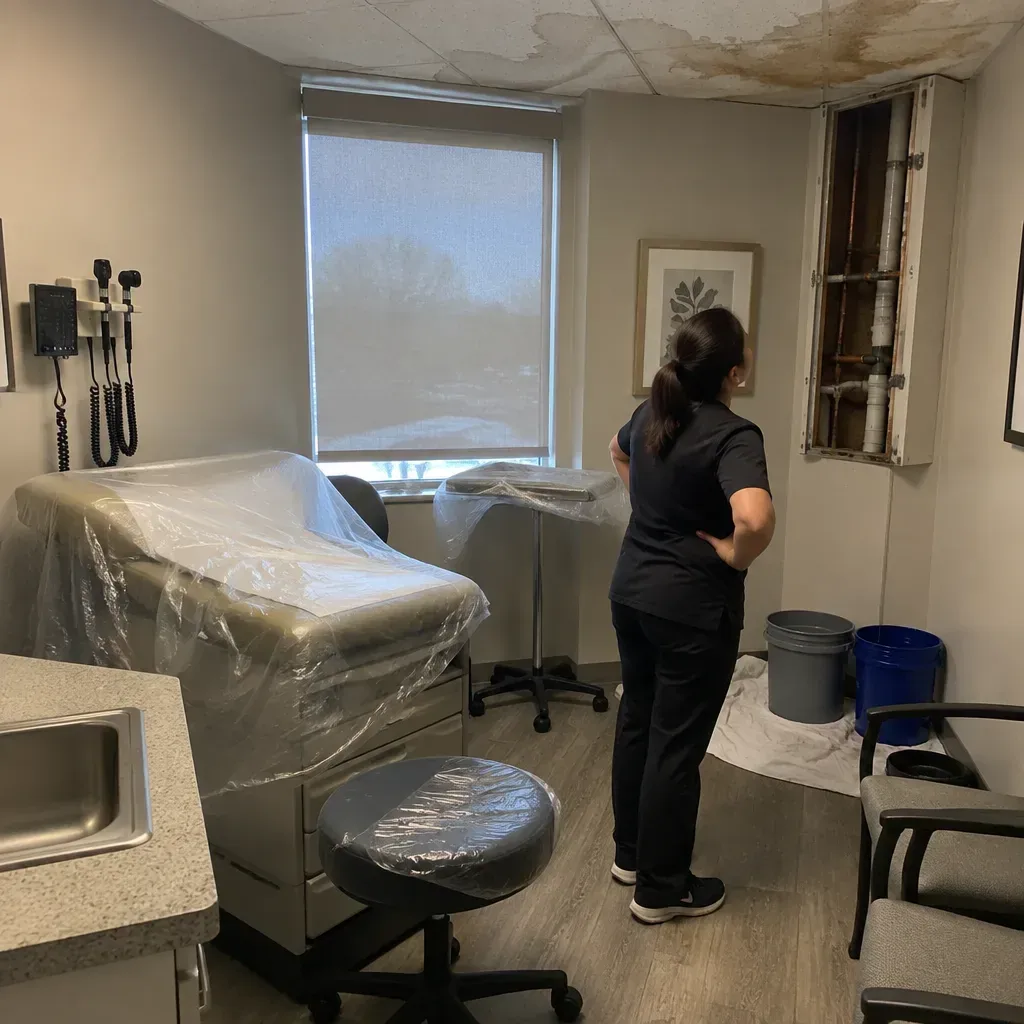
Coordinate access, protect office operations, and plan water service around the damaged plumbing zone.
A pipe break can interrupt work in rooms that rely on the damaged line. A plumber can isolate its zone when feasible, repair or replace the failed section with compatible parts, then check for leaks before water service resumes. Facilities staff can coordinate entry and communicate operational needs.
A burst pipe in an office can interrupt work well beyond the room where water first appears. Closing the appropriate shutoff can limit additional water flow while the damaged pipe is being assessed. The pros we connect you with can use those details to assess whether part of the system can be isolated and how the repair area can be managed. That coordination helps guide a return to service with less disruption.
A sudden drop in water pressure can also signal a supply line problem before a leak is visible. Boulder facilities staff can help identify rooms with dampness, interrupted fixtures, or nearby equipment, then share that information with a plumbing professional. A line may be exposed or concealed above a ceiling or behind a wall, and finding the break can require access to the space around it. Keeping staff clear of unsafe wet areas comes first.
The building’s plumbing layout determines whether service can continue in unaffected areas. If valves and piping allow the damaged zone to be isolated, other office functions may remain available while the line is assessed; if not, the repair plan needs to account for a broader interruption. In Boulder, facilities staff can identify which rooms depend on the affected supply and which operations need advance notice. The goal is to give the plumber a clear picture of building use before work begins.
Access arrangements can affect how much of the office needs to pause. In Boulder, identify who can open secured rooms, approve ceiling access, or escort a visitor through controlled areas, then coordinate that route with the plumbing professional. A clear path to the affected line can prevent delays and keep work away from occupied rooms where possible. If access rules differ by floor or department, share them early so the work area can be planned around the building’s procedures.
The space around a pipe may contain items that cannot simply be moved aside. Boulder facilities staff can point out network hardware, confidential files, specialized equipment, and surfaces that need protection before an area is opened. For an office near Sierra Space, for example, a facilities contact can explain site-specific work boundaries without assuming what equipment or rules apply. Knowing what must stay clear helps the plumber and building staff coordinate a practical repair footprint.
| Service zone | Entry needs | Work impact |
|---|---|---|
| Facilities lead | One contact for escorts and occupant notices | Staff know where to direct access questions |
| Entry controls | Badge desk, visitor log, or locked doors | Confirm entry steps with the site contact |
| Occupant notice | Affected suites and shared passageways | Give teams alternate routes and room details |
| Water dependencies | Restrooms, break areas, and water-dependent tasks | Flag essential functions before choosing a work window |
| Service boundaries | Fixtures and departments tied to the damaged line | Ask whether another plumbing zone can remain active |
| Sensitive materials | Computers, stored files, and office supplies | Move or shield items before the area is opened |
| Work perimeter | Furniture, foot traffic, and tool staging space | Keep a clear path and mark restricted space |
| Service return | Departments waiting on affected fixtures | Facilities confirms the areas are usable again |
A leak’s visible endpoint may not show where the pipe split. Water can travel along a ceiling cavity or framing before it reaches an occupied room, so the plumber may need access beyond the first wet spot to locate the damaged section. In Boulder, facilities staff can help identify the route of the supply line and any rooms where water has appeared. That information helps establish where inspection access may be needed and which occupants should be kept clear.
Once the break is found, the repair has to suit the installed plumbing. Pipe material, size, condition, and connection style all affect which replacement section and fittings can make a sound connection; copper, PEX, and other approved systems do not all use the same method. Boulder office facilities staff can share any available knowledge of the building system, while the plumber confirms compatibility at the pipe. A suitable repair may replace the damaged portion rather than treat the visible water mark.
Opening a ceiling or wall can extend the work area into a room that was not initially affected. For an office serving the Boulder Creek area, facilities staff can help the plumbing professional plan access with occupants and identify nearby workstations that may need to be cleared. The exact opening depends on where the pipe is concealed and what is needed to reach it. Agreeing on boundaries before access work begins can reduce avoidable interruptions to adjacent teams.
Before water service returns, the plumber checks the completed connection for leaks and confirms that water moves through the line. Boulder facilities staff can coordinate which fixtures or rooms need to be available for that check, so the result is clear before occupants resume normal use. This confirmation concerns the plumbing repair; it does not establish that every wet surface or office finish is ready. The building can plan its next steps based on what the repair team has actually verified.
Service restoration also depends on communicating the affected area’s status. In Boulder, facilities staff can tell occupants which rooms are available again and whether any fixtures remain out of use while further work is arranged. A clear handoff avoids sending staff back into a space that still needs attention. If water supply serves shared office areas, let the plumber know who needs confirmation before normal operations resume, so the return to service reaches the people who depend on it.
Repairing the pipe and restoring a wet office are different tasks. A plumber may also need to confirm that connected fixtures receive water after the line is repaired. In Boulder, facilities staff can note which rooms and surfaces were affected and arrange the appropriate follow-up. Separating these needs helps the building understand what the plumber has completed and what still affects the space’s use.
Operating needs can change where work is practical without changing what the pipe requires. Boulder facilities staff should tell the plumber if the affected space hosts confidential meetings, supports customer visits, or contains work that cannot be paused casually. An office near Eldorado Canyon State Park, for example, may have its own schedule and access rules; those details need to come from the building team. With those limits known, the work area and occupant notices can be coordinated around essential functions.
For an office in Boulder, facilities staff can limit disruption by mapping the affected suite, shared supply lines, and work areas before work begins. Mark rooms needing controlled access, identify equipment and records to protect, and tell occupants which routes or workspaces may be unavailable. If the plumbing layout allows, isolating the affected zone can preserve service elsewhere. The plumber can match replacement pipe and fittings to the existing line, then check for leaks and confirm flow before staff return to areas. Keep a facilities contact available for handoff.
To prepare for office burst pipe repair in Boulder, give the plumbing professional a list of affected rooms, known access rules, and operations that need to continue. Include which spaces require an escort, where sensitive equipment or files are located, and who can coordinate with occupants. If the building knows which fixtures lost service, that can help clarify the impact. These details let the repair plan account for both the damaged line and the people who rely on the office.
Office burst pipe repair planning in Boulder starts with a facilities contact who can separate occupied work areas from rooms that can be released for access. For a site near Pearl Street Mall, Mapleton Hill, or Boulder Creek, note which doors require an escort, where ceiling or utility access is controlled, and what equipment or paper files need protection. Tell the commercial office plumbing professional whether teams can relocate temporarily and when a water interruption would halt essential work. These details help set a repair boundary and a workable route back to operations.
The communities shown here outline the geographic reach of Burst Pipe Repair in the county; the pros we connect you with can discuss where the work may be arranged, includingJamestown, Boulder and Eldorado Springs. When arranging an appointment, clarify whether the initial trip is included or billed on its own for the property.
Closing the nearby shutoff can reduce continued water flow while the licensed pros we connect you with inspect the damaged section. The estimate may shift with supply-line size, service frequency, and the effort to expose a hidden break and check the replacement connection under water pressure.For a Boulder business, pipe diameter and the length of damaged line affect which compatible parts are needed and how the estimate is shaped. When calling the pros we connect you with, describe the line size if known, the damaged section, and whether access is open or concealed.The pricing guide maps cost drivers; the commercial overview outlines what a commercial assessment considers before repair begins.
Apartment Pipe Repair
Boulder Hospitality Plumbing
Tell the plumbing professional which office areas are affected, whether water is still spreading, and what access rules apply. In Boulder, a site reference such as Pearl Street Mall can help clarify the building location, while a facilities contact can arrange entry to secured spaces. Note critical water-dependent functions so the plumber can consider service needs during the repair.
Possibly. Commercial office plumbing may have branch valves, but the valve layout and the failed line have to be confirmed before isolation. A water stain or damp ceiling can offer clues about where the failed branch runs. Facilities staff can identify which rooms or functions depend on that branch.
Keep staff away from wet floors and any space where water could reach electrical equipment. If the route is safe, move portable devices and paper records beyond the affected area; do not enter standing water or handle wet electrical items. Facilities staff can restrict access and flag equipment that cannot be moved, helping the plumber work without exposing occupants or contents to added risk.
Use one facilities contact to coordinate access and give occupants clear notice about affected rooms, alternate routes, and water availability. For a Boulder office near Boulder Creek, a familiar landmark can help the plumbing professional confirm the site. Update staff when the repair has been checked and service is back, so they know which facilities are usable.
Share the affected areas, entry requirements, and water-dependent operations with a plumbing professional serving Boulder, near Chautauqua Park or elsewhere.
Call (303) 565-8339