Understand the Parts
Review how the damaged line, shutoff, pipe material, and fittings shape a Burst Pipe Repair plan before reading its written scope.
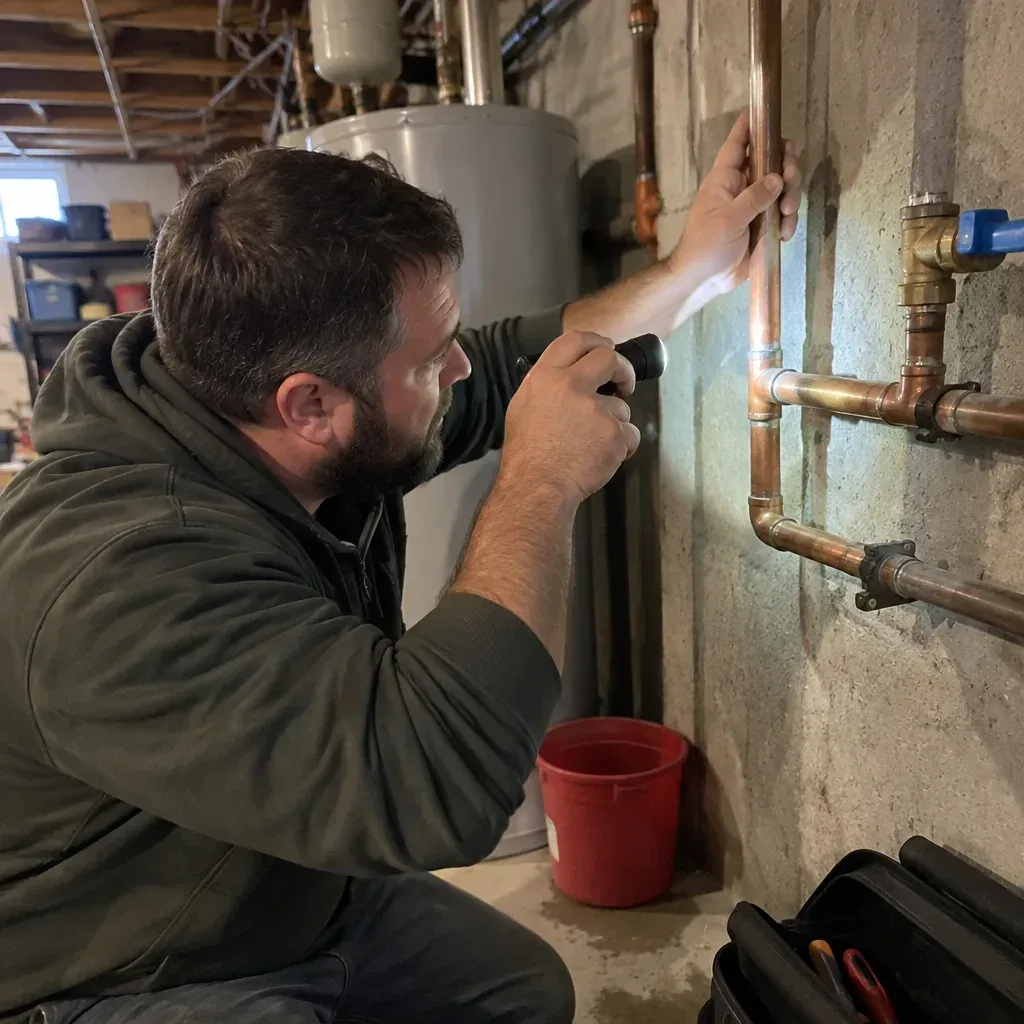
A change in water pressure at more than one fixture may help indicate whether the problem affects a shared supply line. This website is a referral point, not a plumbing business: it employs no plumbers and sends inquiries to independent providers. The same applies to an address near Eldorado Springs or Jamestown Town Hall; those place names do not establish provider coverage. The pros we connect you with must confirm service area, availability, arrival timing, and any visit charge directly.
In Boulder, water from a damaged supply line may emerge far from the split; a stain or pooling can mark where it traveled, not where repair begins. In a ranch or split-level, a provider may need to trace the route and reach pipe behind a wall, ceiling, or floor. The pros we connect you with can assess whether a section needs replacement or another compatible repair after flow is stopped. Pipe type and access shape that choice.
If water is active, keep clear of wet areas where electricity could be present. A spreading stain or sagging surface can show that water is collecting beyond the spot where it first became visible. When speaking with the pros we connect you with, identify the room or level showing water and what can be observed without opening walls; then ask how they will find the damaged line, what an inspection or visit may cost, and how they will check the completed repair.
Corrosion or a worn connection can weaken a pipe over time, even when no leak has been visible. Water can expand inside a line as it freezes, and exposed or unheated plumbing may be more vulnerable; the pipe’s placement and condition still need assessment. A cold snap can leave a split that releases water after thawing, so mention an unheated addition or space during the call. Ask the provider to explain what evidence points to the failure cause.
Before approving work, ask what the provider found and why the proposed repair suits the line. Material, size, connection style, access, and surrounding condition affect whether a damaged section can be replaced or another fitting is appropriate. Confirm how the repair will be checked for leaks before the area is closed. Ask whether nearby fixtures should be checked before the wall or floor is closed.
The next questions are practical: does the provider serve this Boulder address, when could a visit happen, and is there a charge to inspect or attend? Ask what findings would change the work or its cost, which repairs and follow-up checks are included, and what would need a separate provider. Before booking, can the pros we connect you with put the scope and any warranty terms in writing? Who handles drying or rebuilding if water has affected walls, floors, or belongings?
Choose the guidance that fits the leak, then ask the plumbing pro about safe shutoff, pipe work, and who handles water cleanup.
Review how the damaged line, shutoff, pipe material, and fittings shape a Burst Pipe Repair plan before reading its written scope.
The home guide explains safe shutoff, reaching a damaged line, and points to settle before residential plumbing work begins.
Ask the plumber to explain unfamiliar pipe names, inspection findings, and repair terms in the written plan using everyday language.
Share unusual pipe noise, fresh dampness, pressure loss, or a visible leak so the plumber knows what clues need checking.
A sound referral starts with knowing what the site can clarify and what the plumber must confirm. Colorado does not issue a license for this repair work, so ask the pro we connect you with about current insurance, who will perform the repair, and what the coverage applies to. A Boulder homeowner should get those details directly from the provider before work begins; the site does not verify an individual policy here.
Colorado does not issue a state license for burst-pipe repair. In Boulder, ask the pros we connect you with what insurance they carry and what qualifications or trade credentials they hold. Ask whether the water supply to the damaged pipe should be shut off while the repair is being planned. A state license number is not available for this work, so ask directly about coverage and qualifications.
The site’s provider selection process is not explained in the available information, so a homeowner should ask how a referral is matched and whether the provider can take the specific address. Give the full Boulder address; a reference such as Coal Creek, Waneka Lake Park, or Louisville Recreation alone cannot establish service coverage. Ask the provider about experience with the pipe and access conditions at the home.
Describe where water is visible and whether it appears steadily or only when a fixture is running. Ask the pro we connect you with to explain any separate charges for assessing the break, repairing the pipe, or supplying parts before work starts. The referral request and the plumbing work are separate steps, so confirm what each may cost before deciding how to proceed.
The available information does not say which parties receive submitted details, what they may do with them, or how long they retain them. Check whether the privacy terms explain how to update or remove information after a request is sent. Share only what is needed to describe the request, and ask the site directly if its terms leave a point unclear.
A drop in water pressure is another useful detail to note when a pipe may be damaged. Describe the room or surface where water appeared, whether it is still spreading, and any pipe details the owner can see, such as material or location. From Mapleton Hill to homes near Pearl Street Mall, concealed plumbing can mean the visible mark is away from the damaged section. Ask what inspection access may involve, what drives the quote, and whether timing, visit charges, repair scope, and warranty terms will be provided before work begins.
Call (303) 565-8339