Hotel Burst Pipe Repair
Boulder Hospitality Plumbing
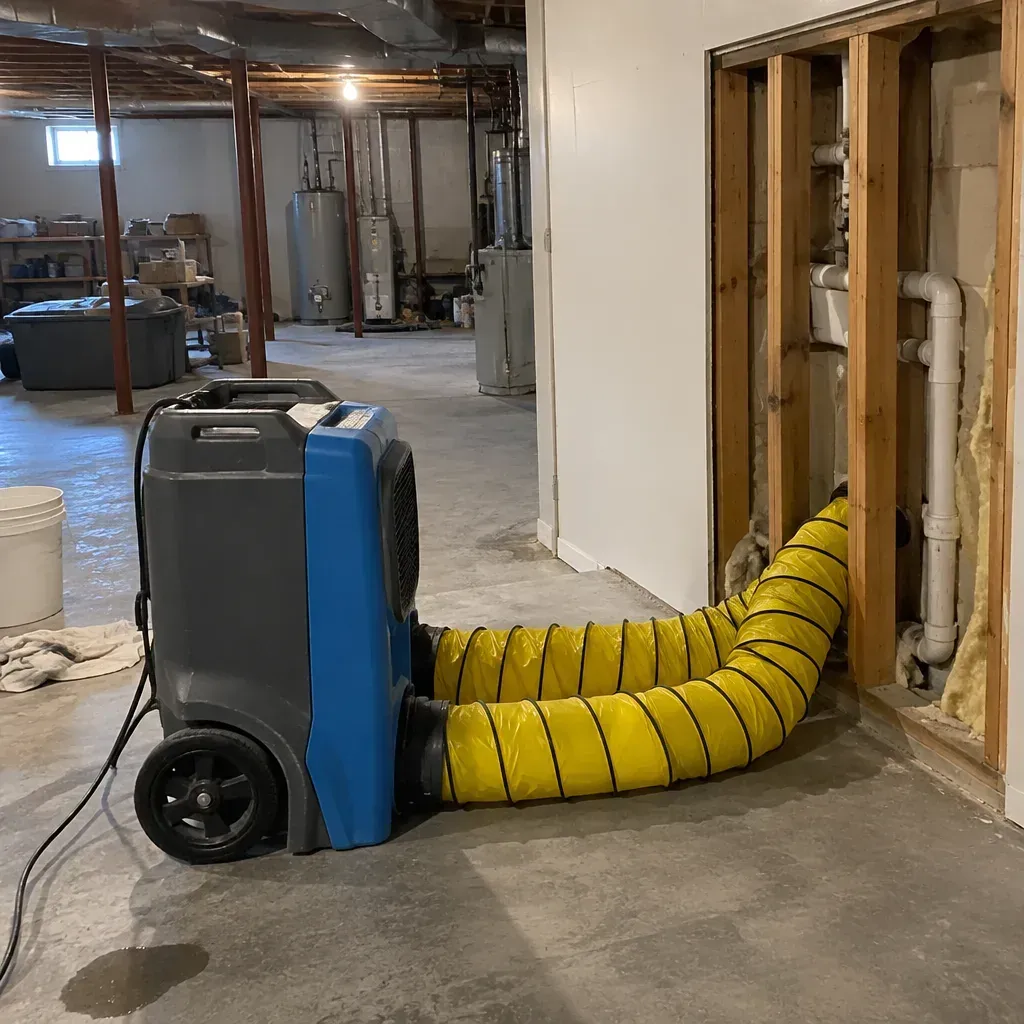
Plan unit access, practical water isolation, and repair work around residents and building operations in Boulder.
A plumber locates the break, then repairs or replaces the damaged pipe with compatible parts. Staff can coordinate unit entry, identify shared access points, and confirm valve reach so water service is interrupted only where practical. The plumber checks the repair, and staff records when service returns.
In Boulder, an apartment burst pipe can affect more than the unit where water first appears: a shared supply line may serve other homes or run through a common ceiling. The pros we connect you with can map which units and shared spaces need access, then isolate the smallest practical area before opening a wall or ceiling. That sequence helps keep unaffected residents’ water available and gives the property manager a clear order for entry and repair. For a building near the Senior Center, Coal Creek, or Sierra Space, share unit numbers and access details when arranging multifamily pipe repair.
A building’s first visible sign does not always identify the damaged line. In Boulder, the manager can collect distinct reports from residents and maintenance staff, noting which fixtures stopped working and where moisture appeared, without asking residents to investigate unsafe areas. A leak near Coal Creek, for example, still needs to be traced through the building’s actual pipe routes; the landmark does not indicate where the line runs. This information helps the plumber plan an inspection and narrows disruption to spaces that need to be checked.
A useful multifamily pipe repair plan starts with the building layout and the people who can authorize entry. Match reported locations to unit numbers, common areas, and available maintenance contacts, then identify who can let the plumber into each space. In Boulder, accurate unit labels matter when water appears on one floor but the supply line may pass through another. Residents can describe what they noticed, while pipe tracing and decisions about opening a surface belong to the plumbing assessment.
Before the visit, the property contact can arrange entry to affected apartments and shared rooms, including utility areas that may be locked or occupied. Tell residents what space needs access and how the visit will be coordinated, so a missed entry does not delay tracing the line or extend an interruption. For a Boulder property, follow its established entry procedures and route questions to the designated manager. The plumber can then inspect the relevant path without treating every apartment as an affected work area.
A shutoff may serve one branch, a stack of apartments, or a wider portion of the building. Ask maintenance for known valve locations and the areas each valve controls; a plumbing professional can determine whether isolating a smaller branch is practical and safe. Boulder buildings may differ in layout, so a valve label should be checked against the system before service is interrupted. If only a broad shutoff can stop flow, staff can prepare residents for the wider service impact while the damaged line is assessed.
| Repair step | Building access | Resident impact |
|---|---|---|
| Access point | Boulder address and usable building entrance | Stage work within agreed access windows |
| Unit entry | Apartments needing entry and approved contact path | Arrange entry without disturbing unaffected apartments |
| Shared route | Riser, service room, or ceiling access known to staff | Reduce delays locating common piping |
| Valve reach | Suspected branch shutoff and safe approach | Check whether a smaller area can be isolated |
| Pipe location | Visible leak or likely hidden route | Allow access near damage without broad opening |
| Line match | Pipe type, diameter, and connection style if known | Identify parts suited to the existing supply |
| Work window | Building constraints and resident availability | Fit repair around scheduled building activity |
| Return status | Fixtures or units checked after restoration | Tell residents which services are available |
Once the plumber reaches the damaged line, its material, dimensions, condition, and connection style help determine a compatible repair. A split or ruptured pressurized pipe may call for removal of the damaged portion and installation of suitable pipe and fittings. Copper, PEX, CPVC, and other systems use different joining methods, so parts must match the line in place. In Boulder, building records can help identify prior work, but inspection of the exposed pipe guides the repair choice.
If the line is behind a finished wall, ceiling, or floor, the plumber may need an opening to locate and reach it. The size and position of that access depend on where the pipe runs and what is around it; limiting disruption means agreeing on the necessary work area before opening surfaces where practical. A Boulder apartment may share a ceiling cavity or service route with neighboring units, so the manager should coordinate entry with the residents whose spaces could be involved.
Where water service can be isolated affects which residents lose use of fixtures during the repair. A break on a branch serving one apartment may have a smaller footprint than damage on a shared riser or common supply line. The plumber can identify the affected zone and explain what must be shut off while work proceeds. For a Boulder building with spaces near Waneka Lake Park, site labels and unit maps can help staff direct access requests to the right property areas without assuming all residents are affected.
Before an opening is closed, the property contact can confirm that the damaged section was repaired or replaced and ask how the plumber checked the connection. Restoring pressure gives the plumber an opportunity to look for leakage at the repaired area and confirm that water is moving through the line. A Boulder maintenance lead can coordinate that check with access to the work area, so the surface is not closed before the plumbing repair has been assessed.
When service returns, note which apartments or common areas were affected, what plumbing work was completed, and which shutoff was returned to its normal position. These practical details help the next maintenance shift understand the building’s current condition; they are separate from any insurance process. In Boulder, tie the entry to the correct building and unit identifiers, especially when staff use shared systems for multiple properties. Record any remaining access needs so follow-up work does not surprise residents.
Residents need updates that connect the work to their daily use of the building. Explain which fixtures or areas may be unavailable, which spaces require entry, and when the manager expects to share the next update. Avoid promising a restoration time before the plumber understands the pipe route and repair scope. For Boulder residents in a property whose site map references Jamestown Town Hall, use the building’s actual unit and entrance labels in notices so those references do not create confusion.
Service impact can change as the break is traced: a suspected unit branch may turn out to feed a shared area, or access may reveal that only one section needs work. The property contact should keep the affected list current and pass changes to residents and maintenance staff. In Boulder, this helps avoid unnecessary entry requests and keeps building operations aligned with the repair. Coordinate any later access separately if wall or ceiling work remains after the plumbing task.
A plumbing repair addresses the broken water line and the connection needed to restore its service. If water has soaked building materials, extraction, drying, and finish repairs are separate work that the property may need to arrange. Boulder managers can track those remaining tasks alongside the completed plumbing work so a repaired pipe is not mistaken for a fully restored room. Confirm which spaces still need attention and who will coordinate access before residents assume the area is ready for normal use.
When contacting the pros we connect you with, gather the affected unit numbers, entry details, and known shutoff locations, then describe what service is interrupted and where water became visible. In Boulder, include the building’s relevant access procedures so the plumbing professional can plan an assessment around resident needs. The next questions are which line serves the affected units, what access the repair will require, and how widely water service must be paused while that work is done.
Water can travel along framing beyond the visible leak, so check nearby ceilings and walls for fresh stains. In Boulder, apartment burst pipe planning starts by identifying affected units and shared spaces, then checking which valve can isolate the damaged line without unnecessarily cutting service elsewhere. Entry windows and fixture notices help the plumber reach the pipe while residents know what may pause. After compatible pipe or fittings are installed, the repair is checked before openings are closed. A clear record helps staff track restored service and any separate drying or finish work.
Before planning around a county listing, a homeowner can ask whether Burst Pipe Repair is offered in the area; the pros we connect you with can describe their coverage, includingBoulder, Eldorado Springs and Lafayette. When arranging an appointment, clarify whether the initial trip is included or billed on its own for the property.
Closing the nearby shutoff can reduce continued water flow while the licensed pros we connect you with inspect the damaged section. The estimate may shift with supply-line size, service frequency, and the effort to expose a hidden break and check the replacement connection under water pressure.For a Boulder business, pipe diameter and the length of damaged line affect which compatible parts are needed and how the estimate is shaped. When calling the pros we connect you with, describe the line size if known, the damaged section, and whether access is open or concealed.The pricing guide maps cost drivers; the commercial overview outlines what a commercial assessment considers before repair begins.
Boulder Hospitality Plumbing
Commercial Office Plumbing
Share affected unit numbers, a staff contact, approved entry windows, and any known valve locations. Identify shared rooms or ceilings the plumber may need to access, and note fixtures that residents rely on during the day. For a Boulder building near Boulder Creek, the same access plan can cover both apartment interiors and shared utility areas. This lets the plumber plan a route through the property and helps staff give residents useful notice.
Possibly. If a valve serves only the damaged branch and can be operated safely, closing it may preserve water service to other parts of the building. The plumber needs to verify what that valve controls; a riser or main shutoff may affect multiple floors or units. In Boulder, staff can use the valve locations they know to orient the plumber, then confirm the expected outage area before notices go out.
Keep a maintenance entry with the affected units and shared areas, the pipe location, and any access openings made. Record whether the plumber repaired a connection or replaced pipe, which fixtures returned to service, and when water was restored. In buildings around Mapleton Hill, this record can help staff understand the work if another maintenance issue arises. Note any drying or finish work still pending as a separate task.
Photos of visible damage and exposed pipe can help clarify what the estimate covers before access is arranged for inspection. Pipe material, size, fitting compatibility, and access to apartments or shared rooms can also affect the work. Ask for the proposed repair scope and any expected service interruption so building staff can plan resident notices and access.
Share photos of visible damage and recent changes with the licensed pros we connect you with.
Call (303) 565-8339