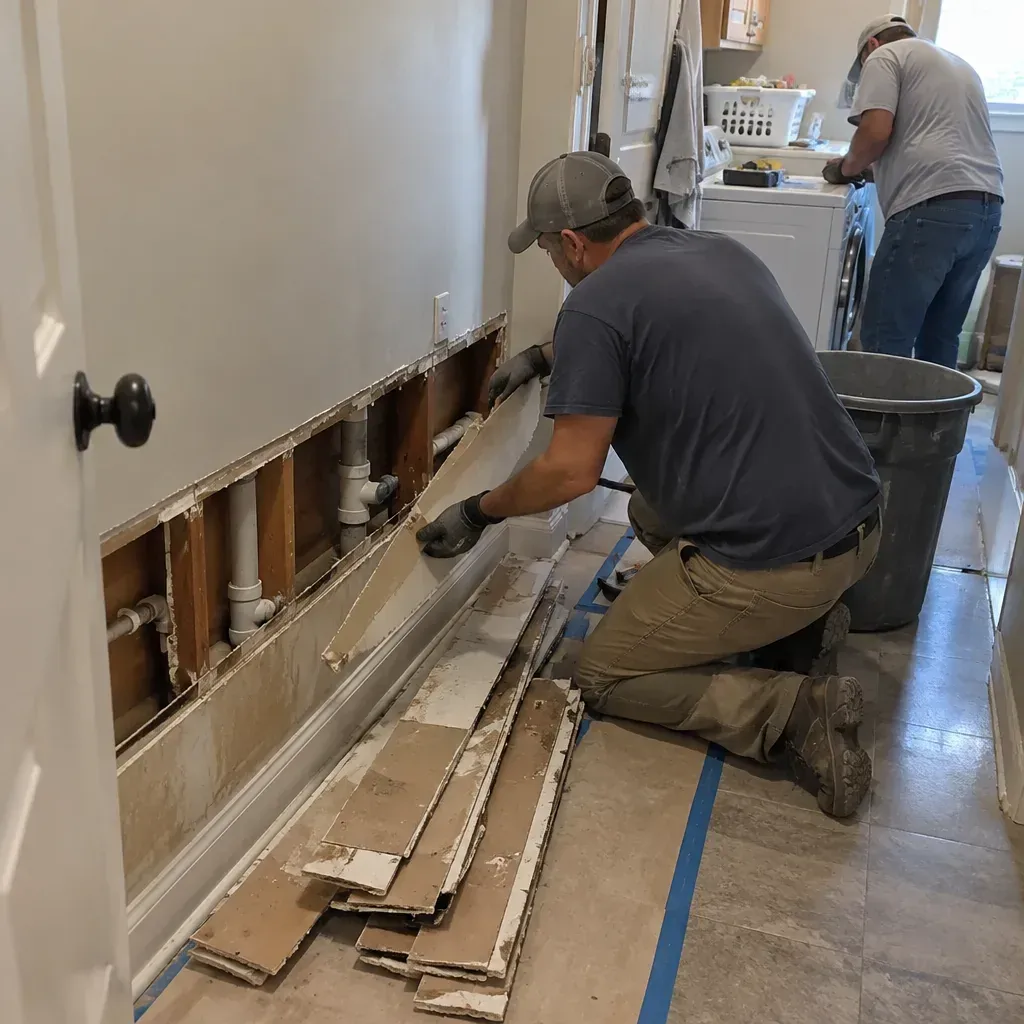
Impact Damage Along Exposed Water Lines
A leak may first show up as reduced flow or dampness near a pipe, even when the break is out of sight. A ranch near Boulder Creek may have different pipe routes from a split-level on County Road 53; neither address alone establishes where a line runs or whether it is vulnerable.
In Boulder, a line in an unheated space may face freezing conditions during a cold spell, with expansion stressing the pipe wall. Homes around Mapleton Hill vary in age and layout, so the pipe material, exposure, and cause of a break need inspection rather than assumption.
The pros we connect you with hear from property owners in Boulder and across Boulder. Coverage can vary by provider, so the home’s location is the useful starting point for an inquiry. Sharing its street address lets the provider check whether that property is within its service area.
Safe Limits During a Water Leak
- PIPE ID
- The pipe legend and records for its service help establish whether the installed PVC suits a pressurized water line.
- CUTOUT
- Diameter and joining method narrow the fittings that can connect correctly to the existing run.
- DAMAGE EXTENT
- A short cutout is feasible when firm, undamaged pipe remains beyond the split for sound joints.
- CURING
- Let the specified cure period pass before restoring pressure, then inspect the repair while water is flowing.
- LEAK TEST
- For a service address, a homeowner can use Waneka Landing Open Space, Waneka Lake Park, or Rock Creek as a reference; shut water only if safe, then have the pros we connect you with check PVC markings and damage.
- ACCESS NEEDS
- Boulder’s cold season can put water in exposed or unheated PVC at risk of freezing and expansion. A split may become apparent during or after a cold spell, but the weather alone does not identify the cause; pipe location and condition need inspection.
- FITTING MATCH
- an estimated $275–$1,100
Checking the Line After Repair
CPVC water pipe is another rigid plastic pipe that can look much like PVC at a glance. Its markings and stated service help distinguish it, and the joining products and methods must suit the material already installed. Read the printed pipe legend where it is safely visible and compare it with records for the line’s intended service. A plumber can also inspect the fitting and joining method. Color or appearance alone cannot establish the material or whether the pipe is rated for that water use.
From Water Leak to Pipe Repair
The plumber isolates the affected supply if its valve is safe to operate, then traces the leak and exposes enough pipe to assess it. They read the PVC markings, measure the diameter, check what the line serves, and inspect both sides of the split for sound material and room for secure joints.
If a localized repair is suitable, the damaged piece is removed and compatible PVC and fittings are joined using the system’s specified method. Wider cracking or poor access can call for a longer replacement section. After the joints cure as directed, the plumber restores pressure, checks for leaks, and confirms flow before the area is closed.
The connection between the damaged section and the remaining pipe can affect how the repair holds. A temporary clamp does not settle the repair. Further appointments should follow evidence of separate pipe concerns, with each visit tied to a specific piece of work or check.
WHAT EMERGENCY PIPE WORK RESOLVES AND CHECKUPS TRACK
| Affected Rooms |
Pipe Material |
|---|
| One pipe rupture, caught at onset | Joint fit selection |
| Dripping resumes along a replaced section | Temporary leak control |
| Damage extends beyond a single pipe segment | Line repaired; delivery verified |
PIPE REPAIR ROLEAsk whether the repair affects any existing warranty on the pipe or materials. Ask the plumbing professional whether it applies to this job and what documentation is required. Request an invoice describing the pipe work and materials used.
Safe Conditions for Pipe Access
Water from an active split can reach flooring, drywall, insulation, or framing beyond the visible wet spot. If the leak continues unseen, moisture can spread along a wall or floor cavity. The plumbing work addresses the supply line; removing water and drying or rebuilding affected surfaces may call for separate providers.
Limit Water Flow Only When Safe
From a dry, safe place, note where water appeared and photograph any pipe markings you can see without moving materials. If a shutoff is safely accessible, turn it off; keep people clear of wet electrical equipment. Stop there. Do not cut, clamp, or join a pressurized pipe; have a plumbing professional confirm the material and repair method.
Separating People from Active Repairs
Water near outlets, appliances, or wiring can create an electrical hazard, even if the pipe itself is easy to see. Keep people away from wet equipment and do not enter an unsafe space to reach the line. Restore water only after the repair has been made and checked; reopening a supply against an unfinished joint can send water into the house again.
How Is a Burst Pipe Repair Estimate Built?
Ask the pros we connect you with to price the confirmed repair scope, including pipe access, damaged material, and work needed to restore the water line.The $350–$1,300 range describes plumbing work tied to the reported break; if opening an affected area reveals more damaged pipe, the repair scope may change. It excludes water extraction, drying, and rebuilding. Ask the licensed pros we connect you with whether reaching the break requires opening a wall or floor.Use pricing guide to compare cost bands and see which details can change an estimate.