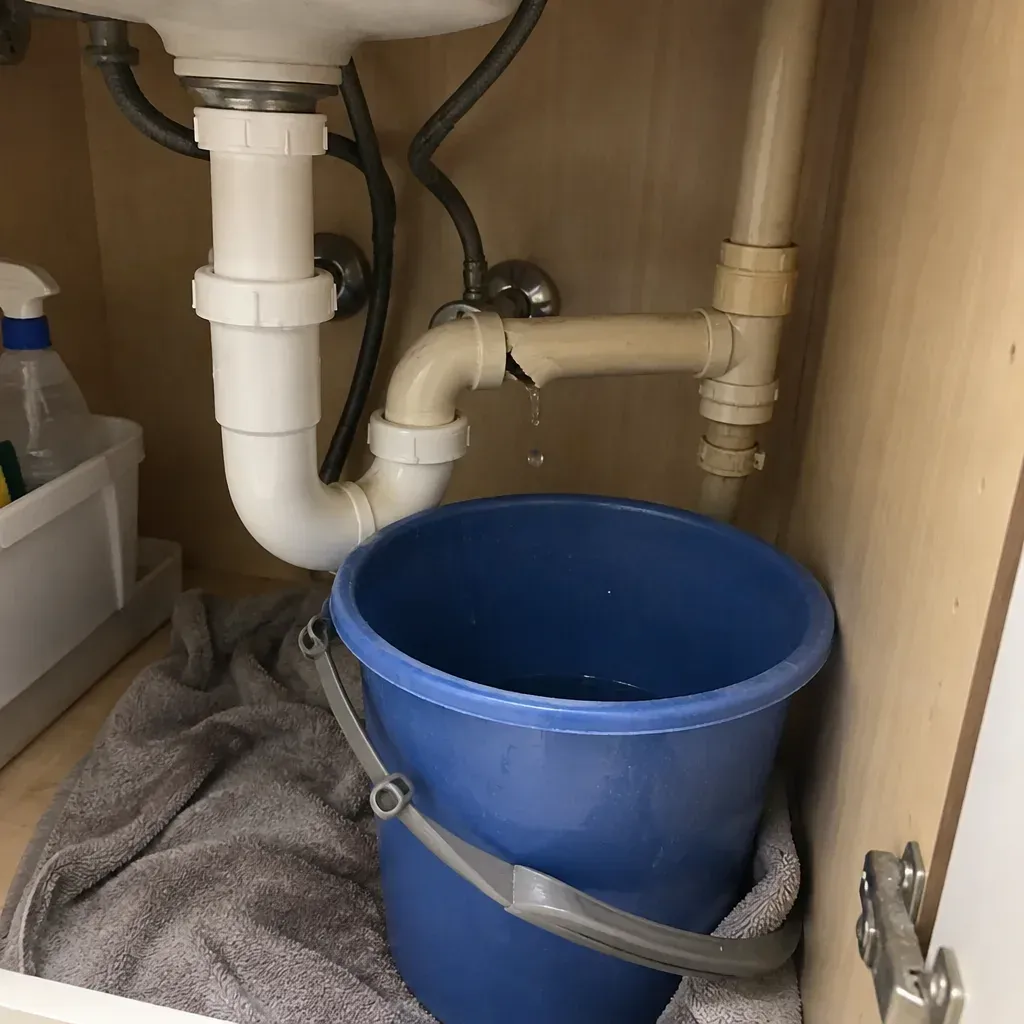
Stress Where Pipe Sections Connect
Boulder’s public water-main break report concerns the city’s distribution system, not CPVC inside a house. It cannot establish how long a household pipe will last or explain a particular failure; the condition of the actual line has to guide the repair.
Boulder Creek and Chautauqua Park help locate parts of the city, but neither indicates where a home’s water lines run. A CPVC break may be behind a finished surface, so the visible leak and the section needing repair can be in different places.
Requests reach the pros we connect you with from homes across Boulder and Boulder. A homeowner can give the property’s street address when asking about service; postal labels and city limits do not always describe the same area, so a place name by itself may leave coverage unclear.
From Pipe Split to Repair Plan
- PIPE CONDITION
- The pipe’s printed material and size help identify replacement components suited to its existing water service.
- MATERIAL MARK
- A CPVC fitting needs the correct diameter and a connection method specified for that piping system.
- ACCESS
- A limited break may allow a local fix if the adjoining pipe is sound and reachable.
- REPAIR SCOPE
- If damage continues beyond the split or access is restricted, the plumber may need to replace a longer section.
- LATER WEAR
- Around Chautauqua Park, a CPVC marking helps the pros we connect you with identify compatible parts; brittleness beyond the break may point to wider pipe wear.
- CODE CONDITIONS
- Boulder’s cold snaps can freeze water in vulnerable plumbing; expansion may split a line, with leakage becoming apparent as conditions change. Denver Water also describes temperature swings as a stress on pipes. A seasonal pattern can inform an assessment, but it does not establish the cause of a specific CPVC break.
- FITTING MATCH
- an estimated $275–$1,100
Matching the Repair to Pipe Condition
PVC drain pipe can resemble CPVC when only a short piece is visible. A drain line carries wastewater, while this CPVC line carries water supplied to fixtures. Read the printing on an exposed pipe for its material designation and size. CPVC is rigid plastic used for water lines; those markings help distinguish it from other pipe types. If the label is hidden or unreadable, a plumber can identify the line before selecting parts.
Safe Steps Before Plumbing Work
The plumber traces the leak to the CPVC line, exposes the affected area as needed, and checks the pipe and fittings around the split. Markings, diameter, connection type, and visible condition guide the repair. Sound, accessible pipe may allow a localized fix; broader damage or restricted access can change the section to be replaced.
Before cutting, the plumber protects the work area from water left in the line. The specified joining method and setting time matter to the joint. Once the line is returned to service, the plumber checks for leakage under pressure and confirms water flow.
The connection between the damaged section and the remaining pipe can affect how the repair holds. A temporary clamp does not settle the repair. Further appointments should follow evidence of separate pipe concerns, with each visit tied to a specific piece of work or check.
RESTORING WATER SERVICE AND WATCHING FOR LATER CHANGES
| Work Access |
Leak Check |
|---|
| Early signs of one active leak | Break source location |
| Fresh dampness beside prior repair work | Concealed pipe access |
| Separate breaks along one connected water line | Replacement joint checked under pressure |
PIPE REPAIR ROLEColorado provides for permits in qualifying emergency work on broken water lines; that does not mean every CPVC repair qualifies. Ask whether a permit applies, and have the invoice identify the work, materials, and leak check. Keep photographs of the damaged pipe and completed work with the invoice for your records. Boulder addresses follow the same state context.
Safe Conditions for Pipe Access
Water escaping from a CPVC split can soak insulation, framing, flooring, or wallboard. If it continues, the wet area can spread and reaching the pipe may require more finish material to be opened. Wet materials may need attention even after the pipe no longer leaks.
Keep People Away From Wet Electrical Areas
Keep out of a wet area if water is near electrical equipment; stop there. A CPVC split remains part of a pressurized line, so do not cut, clamp, glue, or reconnect it. In Boulder, whether a home is near Boulder Creek, Coal Creek, or Waneka Lake, tell the pros we connect you with through the referral site that the pipe is marked CPVC. They assess the fittings, replace what condition and access require, then check the joint under pressure.
Opening Access to Concealed Plumbing
Water escaping inside a wall may leave damp insulation or discoloration before the leak is visible. In a Boulder home, water may reach insulation, framing, floors, or wallboard; wet areas near electrical equipment are unsafe to enter or touch. Isolate the supply only if the shutoff is safely accessible. Keep children and pets away from wet areas until the space is dry and safe to enter. This applies around Pearl Street Mall as elsewhere in Boulder.
How Does Pipe Material Affect Repair Expense?
Once the damaged line is exposed, ask the pros we connect you with to separate pipe work from access tasks in an estimate based on confirmed conditions.The $350–$1,300 range describes plumbing work tied to the reported break; if opening an affected area reveals more damaged pipe, the repair scope may change. It excludes water extraction, drying, and rebuilding. Ask the licensed pros we connect you with whether reaching the break requires opening a wall or floor.Open pricing guide for the broader cost picture and the factors that shape a quote.