Access and Finished Surfaces
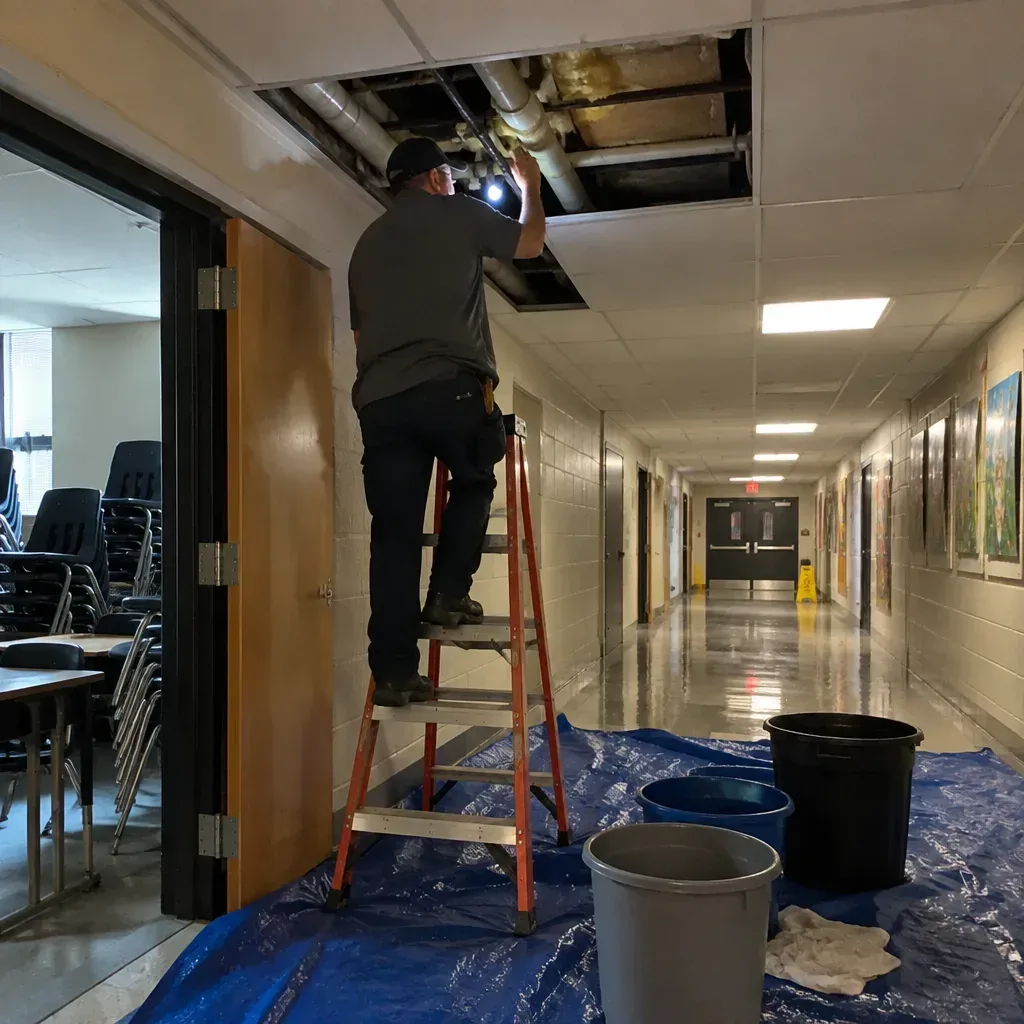
Water near energized equipment makes access unsafe, so the owner should keep clear and leave that area for help. In Boulder, a line behind a finished ceiling or below flooring can take more access work than one in an open utility space; that difference affects a pipe repair estimate. A hard-to-reach shutoff can delay isolating the damaged line before repair work begins. Drywall, flooring, insulation, or paint work can fall outside plumbing repair pricing. Ask the estimator to name included access and finish work, and what could change the quoted scope.
Access also depends on what must be moved or opened to expose the repair area. A line behind built-in storage, under a finished floor, or above a ceiling can call for careful removal and a plan to leave the area safe afterward. A Boulder estimate should identify any access work separately from the plumbing task. The landmark or neighborhood nearby, such as Pearl Street Mall, does not establish a home’s pipe layout; the property itself determines what the estimator includes.
Pipe Type and Break Condition
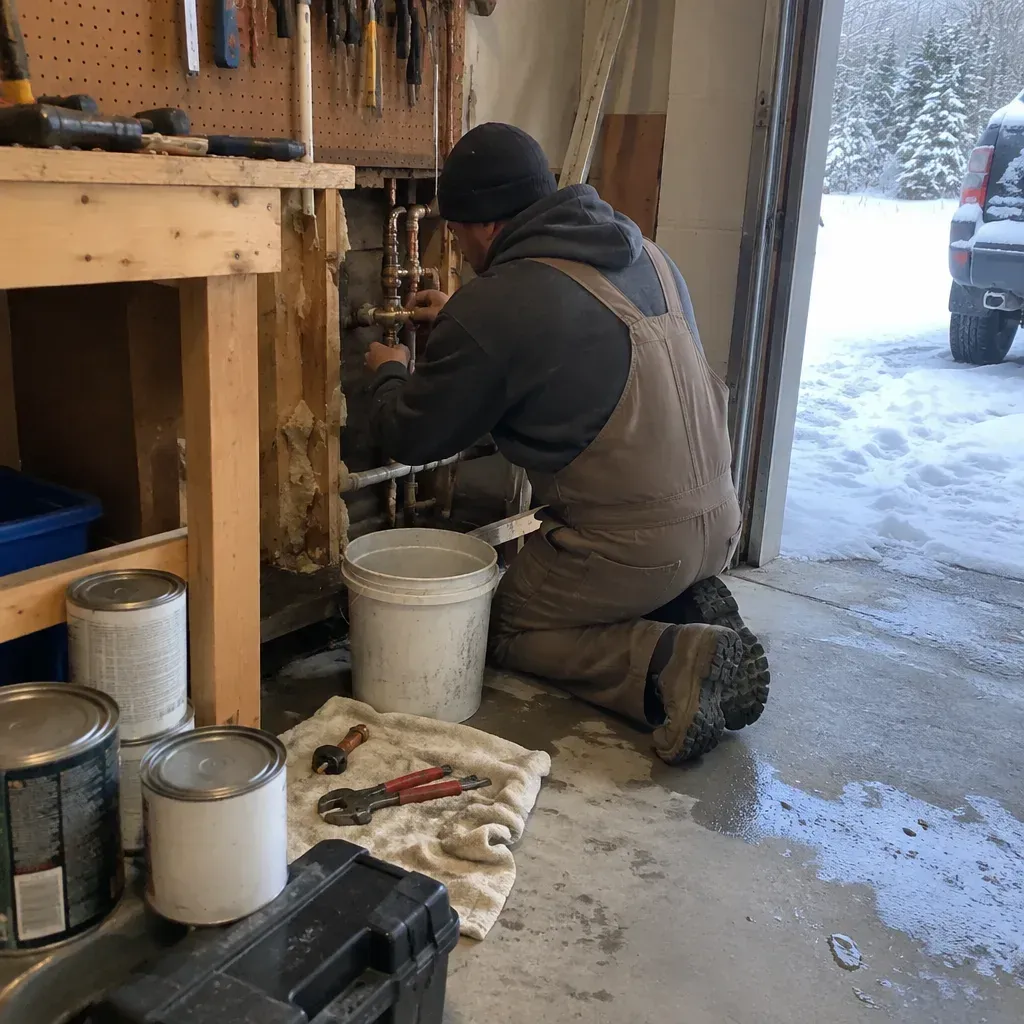
Material and damage condition shape the suitable repair scope. In Boulder, copper, PEX, CPVC, or another approved line needs parts compatible with its size and connection type. If damage extends beyond the initial break, the estimate may need to account for replacing a larger section instead of a limited repair. For a home near Pearl Street Mall, the estimator should identify the observed pipe type and damaged area rather than infer them from location. Moisture left in a wall cavity may need drying before the surface is closed again.
Condition around the split can widen the repair area. If the surrounding pipe or a nearby connection is sound, the repair may stay focused; if corrosion, brittleness, or damage continues past the break, more material may need attention. The owner should ask what the inspection found and where the proposed repair ends. A home near Chautauqua Park has no assumed pipe condition based on that location. The estimate should reflect the line that is actually exposed and assessed.
Repair Scope and Estimate Changes
A pipe repair estimate should say whether the plan uses a suitable connection on the existing line or replaces a section. Replacement can involve more pipe and fittings than a limited repair, while the correct choice depends on material, damage, and surrounding condition. In Boulder, ask the estimator to describe the reason for the selected approach in plain terms. That explanation helps the owner understand which part of the quoted scope addresses the break and which tasks relate to the chosen repair method.
The quoted scope may need revision if opening an area reveals damage beyond what was visible at first. Before work begins, the owner can ask what finding would change the plan, how that change will be explained, and whether added work requires approval. For a Boulder home near Mapleton Hill or elsewhere in the city, those terms should be tied to the specific pipe and access point. This makes the estimate easier to follow if the exposed repair area differs from the initial assessment.
Water Damage Beyond Plumbing
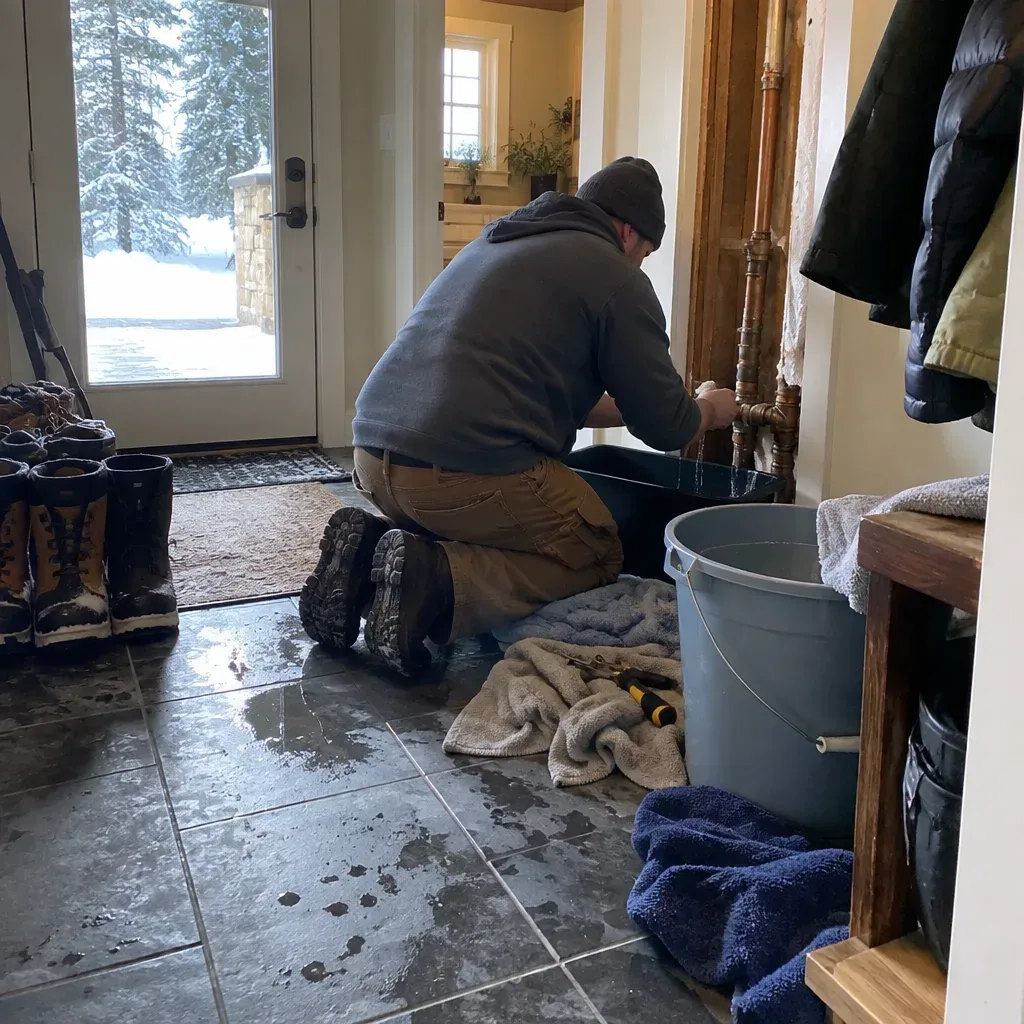
Repairing the plumbing line does not automatically include treating soaked building materials or replacing finishes. Water may affect flooring, wallboard, cabinets, or belongings, and extraction, drying, and rebuilding can fall to a separate provider. In Boulder, the owner should check where the plumbing estimate stops so restoration work is not mistaken for part of the pipe repair. If water has reached a room below or spread across a floor, describe that condition to the estimator because it may call for separate assessment.
Before approving the estimate, ask the estimator to connect each included task to a condition found at the property: access, pipe type, damage extent, and repair approach. Ask what is excluded, especially any drying or finish work, and what discovery could change the quoted scope. The pros we connect you with can explain those job-specific factors for a Boulder home, whether it is near Boulder Creek or elsewhere. Which findings support the proposed work, and what would prompt a revised estimate?
Dealing with a burst pipe in your home?
Check nearby flooring and baseboards for dampness, since water may spread beyond the visible mark. A split line can keep releasing water even if the wet mark appears elsewhere. For a Boulder ranch or split-level, tell the pros we connect you with what is visible; ask whether your address is covered, when they may come, and what visit charges apply. Call (303) 565-8339 to discuss repair options. Pipe work addresses the line; extraction, drying, and rebuilding may need another provider. If relevant, give landmarks such as Jamestown Town Hall, Little James Creek, or James Creek.